


Overview of Activities
To promote academic exchanges and expand the international horizons of teachers and students, on October 18-19, 2025, Professor Eva Olsson from Chalmers University of Technology in Sweden, member of the Nobel Physics Prize Committee, was invited to visit CKC, participating in a series of events including "Research Sharing Symposium" "Lecture by Overseas Distinguished Scholars" and "Zhuya Open Day". She engaged in in-depth communication with representatives from multiple disciplines, discussing frontier scientific research and the spirit of scientific inquiry, thereby bringing together thoughts across academic boundaries and cultural differences.
Scholarly Round Table at Nanhua Garden
On October 18th afternoon, a scholarly roundtable blending traditional cultural implications with modern scientific spirit took place at Nanhua Garden. The event invited Professor Eva Olsson to discuss research frontiers and interdisciplinary development paths with teachers and students from various disciplines, including physics, chemistry, materials science, etc. Yu Qian, Dean of the School of Mathematical Sciences and Secretary of the Party Committee, as well as LuXin, Vice Dean,attended the meeting.
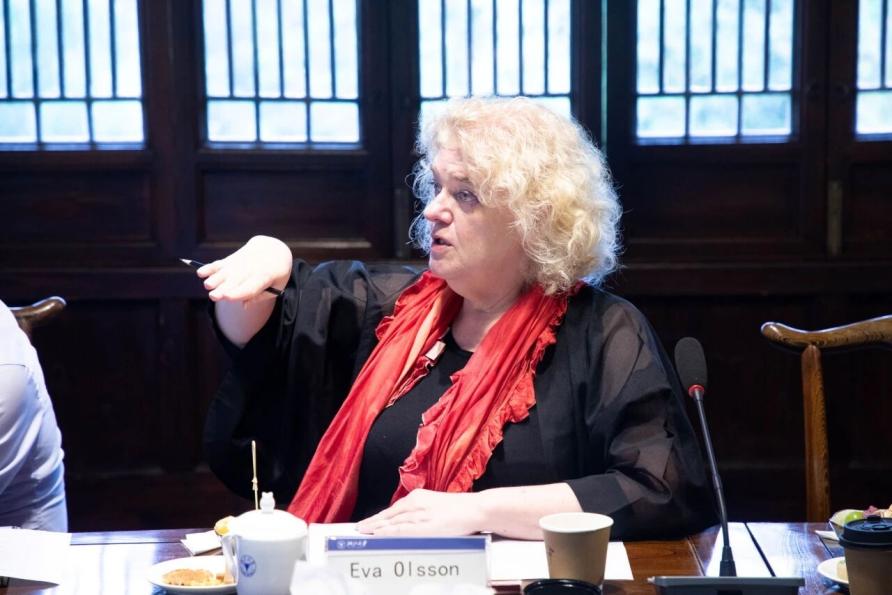
At the outset of the event, Lu represented the school in welcoming Professor Eva warmly, introducing the CKC's educational characteristics and internationalization development concepts. Eva expressed her appreciation for the enthusiastic welcome and recognized the School of Mathematical Sciences' achievements in nurturing young researchers.
Subsequently, several teacher representatives delivered their reports in academic presentations.
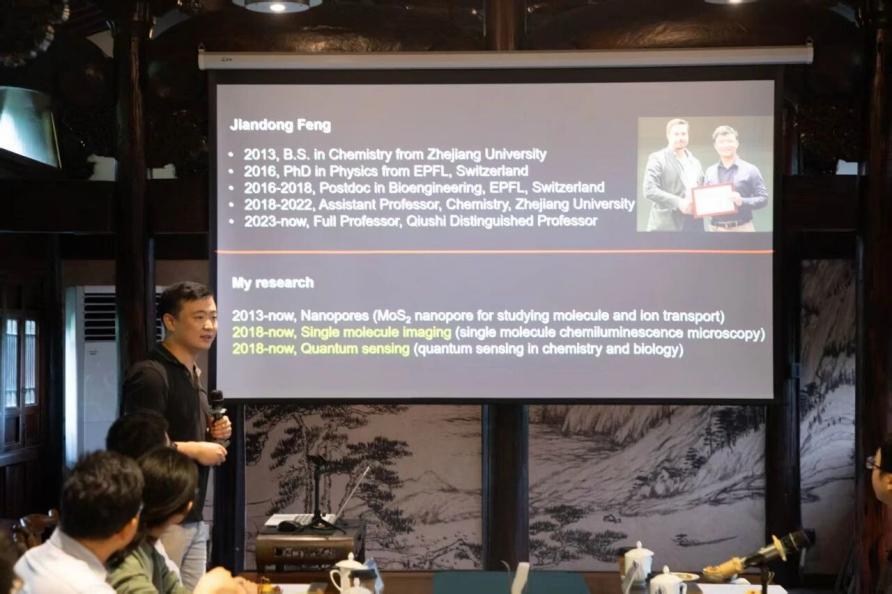
Professsor Feng Jiandong from Chemistry Department presented a report titled "In Situ Imaging of Molecular Systems: From Optical, Chemical to Multi-Physical Fields." He introduced his team's innovative achievements in single-molecule imaging and electrochemical fluorescence technology.
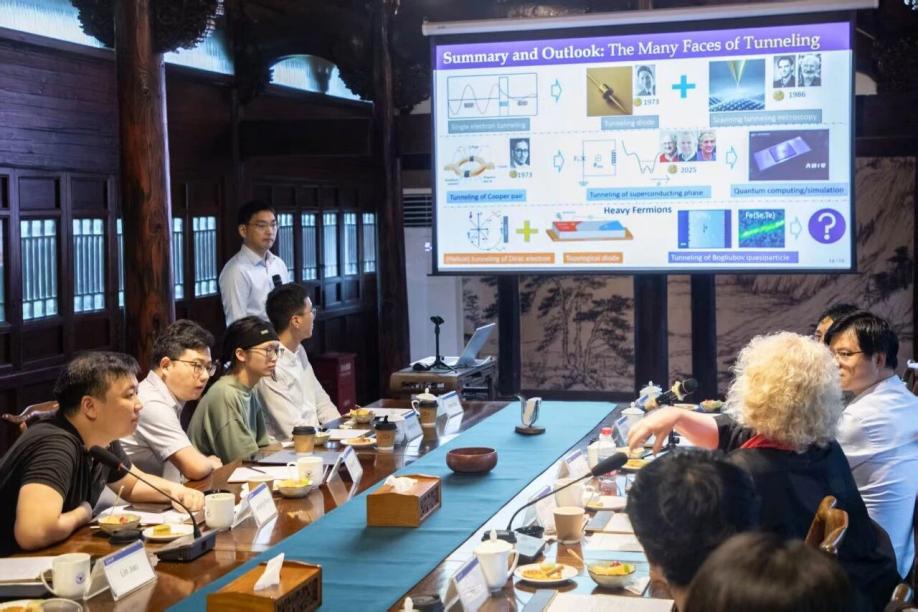
Professor Jiaolin from Physics Department shared the latest developments in their research on strongly correlated electronic systems and topological quantum states.
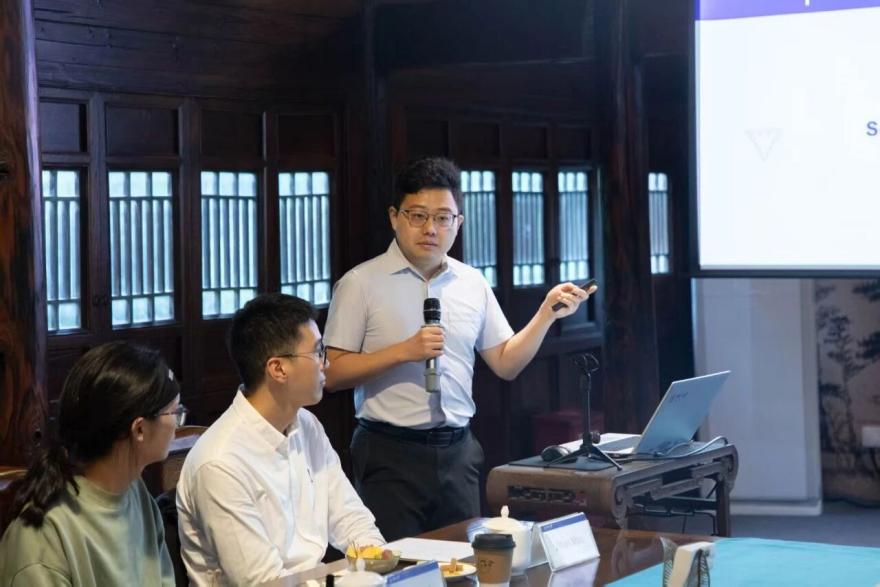
Professor Fu Chenguang from Materials Science and Engineering Departmentdiscussed a new approach to improve the processing performance of inorganic semiconductors through lattice defects iterative non-crystallization.
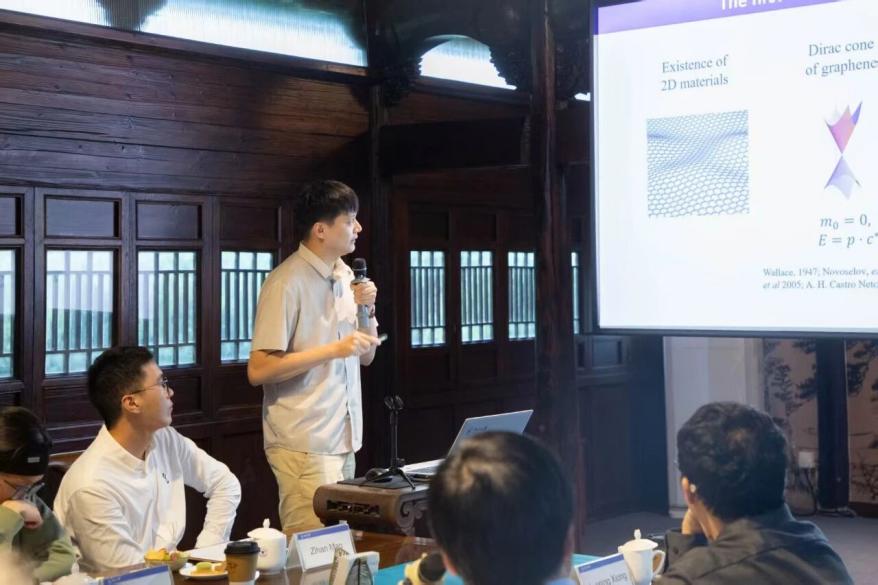
Professor Ma Liguo from Physics Department presented a report titled "Exploring Macroscopic Quantum States in Two-Dimensional Material Devices", introducing frontier quantum research in low-dimensional van der Waals heterojunctions.
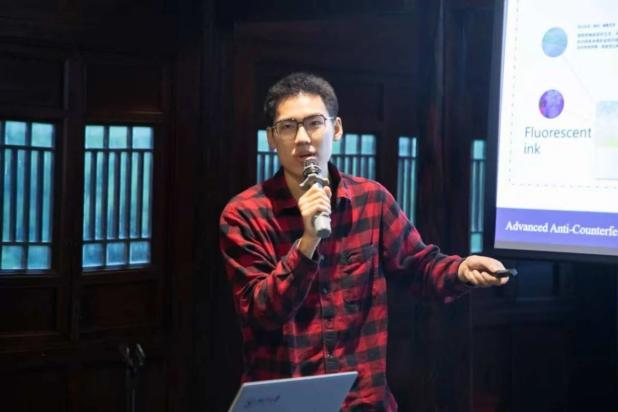
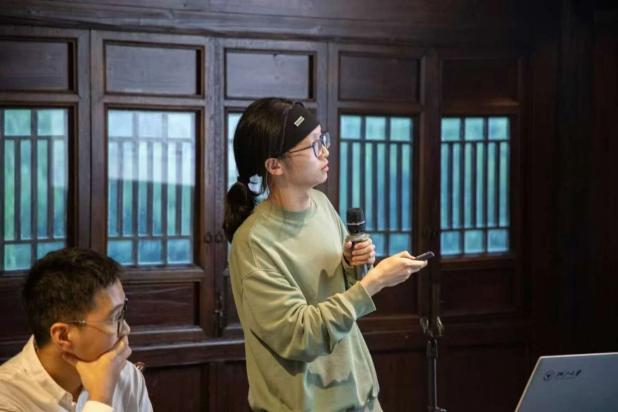
Two undergraduate students from the School of Mathematical Sciences' joint programs also demonstrated the academic potential of young scholars. In 2021, Jin Yang from the joint program presented progress in his research on spiroquinone-based photochromic polymer materials and their anti-counterfeiting applications. In 2022, Jiahe Hu from the Chemistry (Experimental Science) class introduced his achievements in constructing chiral topo-polymeric molecules through activation of asymmetric C-H bonds.
This scholarly roundtable further promoted interdisciplinary dialogue and fusion during the research presentations, inspiring innovative spirit and enthusiasm for research.
Master Forum: From Future Materials to Nobel Spirit
On the morning of October 19th, Professor Eva Olsson delivered a lecture as a part of the Zhejiang University Global Lecture Series, offering the faculty and the students an academic speech with distinct theme and profound insights. The event was attended by Zhang Tao, Academician of CAS and Professor of the School of Materials Science and Engineering; Lin Haiqing, Dean and Professor of the School of Physics; Qu Shaoxing, Executive Deputy Secretary-General of the University Academic Committee and the Professor of the School of Aeronautics and Astronautics; Liang Junying, Director of the Office of International Cooperation and Exchange; Yu Qian, Party Secretary and Vice Dean of CKC Honour College; Lu Xin, Vice Dean of CKC Honour College; and Tao Anna, Deputy Party Secretary of CKC Honour College.
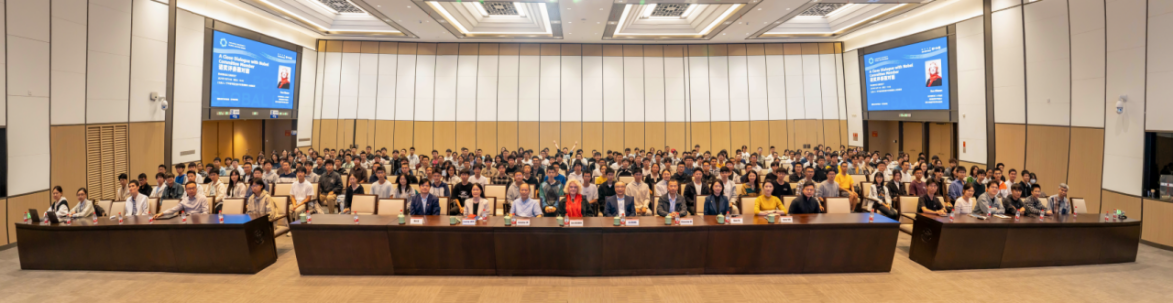
Professor Eva Olsson began by sharing her scientific research in Sweden and the latest progress made bu her team in the field of energy materials and nanofabricated devices, encouraging students to explore cutting-edge scientific problems boldly. During the lecture, she reviewed the life and contributions of Alfred Nobel, inspiring the audience to maintain innovative mindset and be brave to explore with one of his famous quotes “If I have a thousand ideas and only one turns out to be good, I am satisfied.”
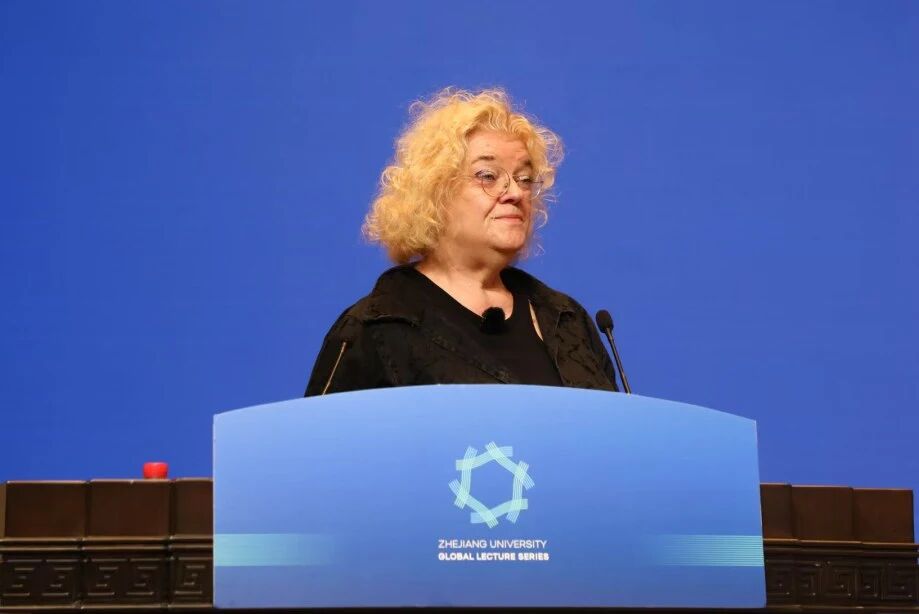
“‘To confer the greatest benefit to humankind’ is the core principle upheld by the Nobel Prize.” Eva further systematically explained the entire selection process of the award, from global nominations launched in September each year to the grand award ceremony in December of the following year, each step carried out this original aspiration with rigorous and standardized mechanisms.
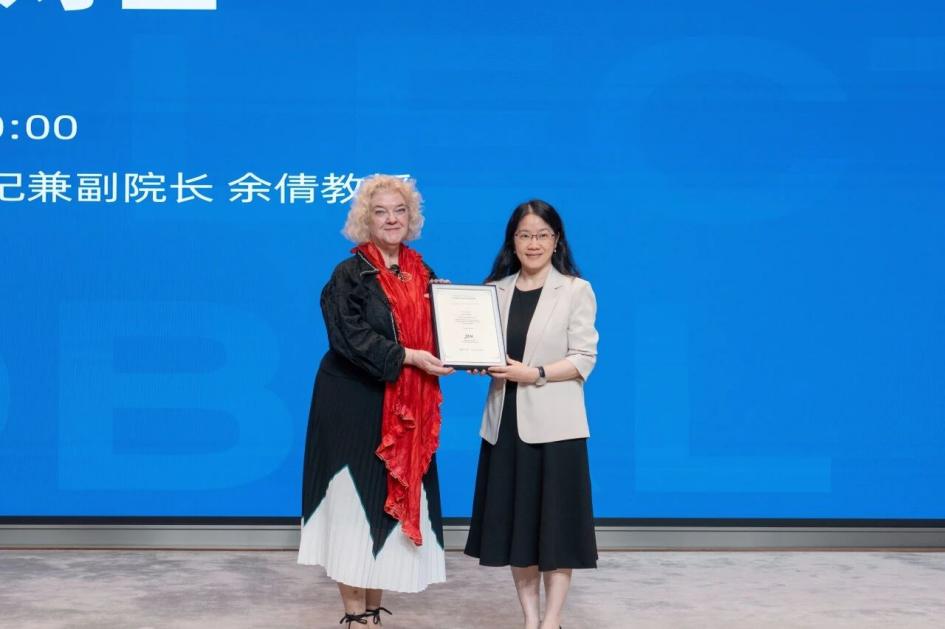
During the interactive session, Eva provided detailed responses to key questions raised by students, such as how to choose your research direction, the key criteria for evaluation and so on. She especially emphasized that the path of scientific research requires maintained interest and original aspiration, as well as forever passion towards exploration. She also pointed out that the selection of Nobel Prize always focus on “groundbreaking contributions” of milestone significance, in order to show its profound value to the progress of human civilization. At the end of the event, Director of the Office of International Cooperation and Exchange Liang Junying presented Professor Eva Olsson with a certificate of appreciation.
Instruction to CKCers’ Future Career:
Logic and Human Touch at the Scientific Frontier
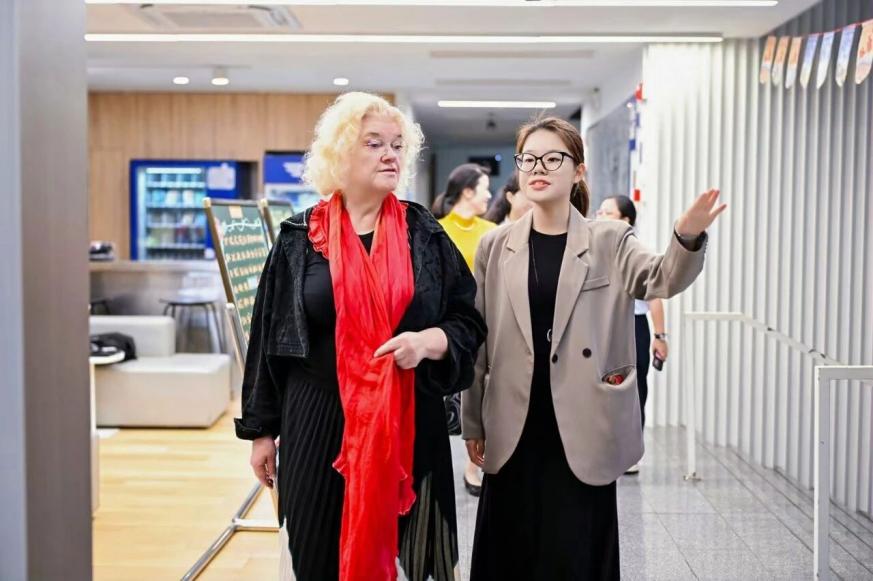
On the same day noon, professor Eva, accompanied by faculty and students, visited YuHu residential community and attended the 200th “Instructions to CKCers’ Future Career” open forum at BiZhi House. The event was themed with “Reform Future Materials, Decoding the Nobel Prize Selection Process—the Operational Logic of Scientific Frontiers”.
In warm and cordial atmosphere, Eva engaged in friendly exchanges with CKCers. Drawing from her own research experience, she introduced her team’s working routine in electron microscopy technology and functional materials research, and shared her insights in conducting scientific collaboration and international exchanges. Students enthusiastically introduced their academic life at CKC and raised questions in terms of AI’s future trends, interdisciplinary research approaches and the selection mechanism of the Nobel Prize.
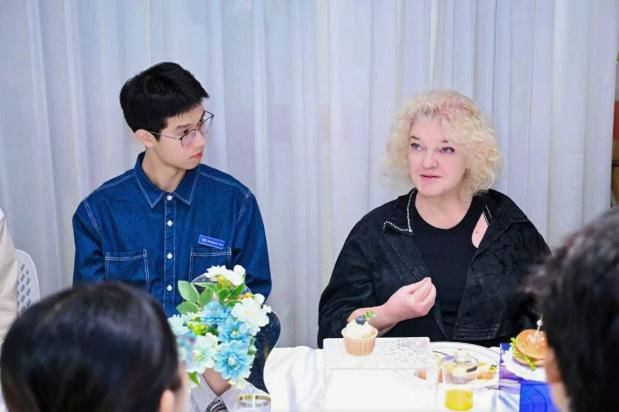
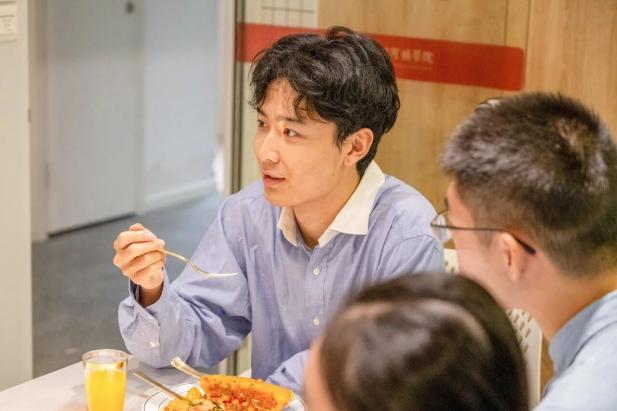
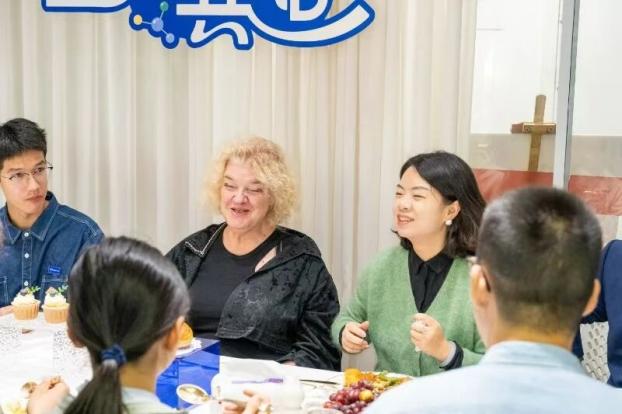
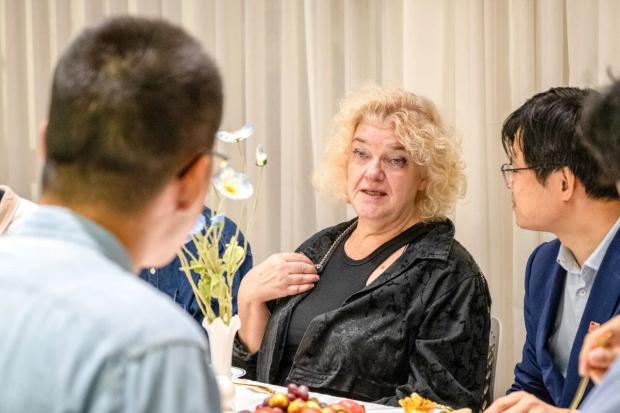
Professor Eva responded with wit and insights that young students should remain curious, and dare to explore. She also emphasized that the true value of science lies not only in technical breakthroughs, but also in continuously creating positive impact for human society.
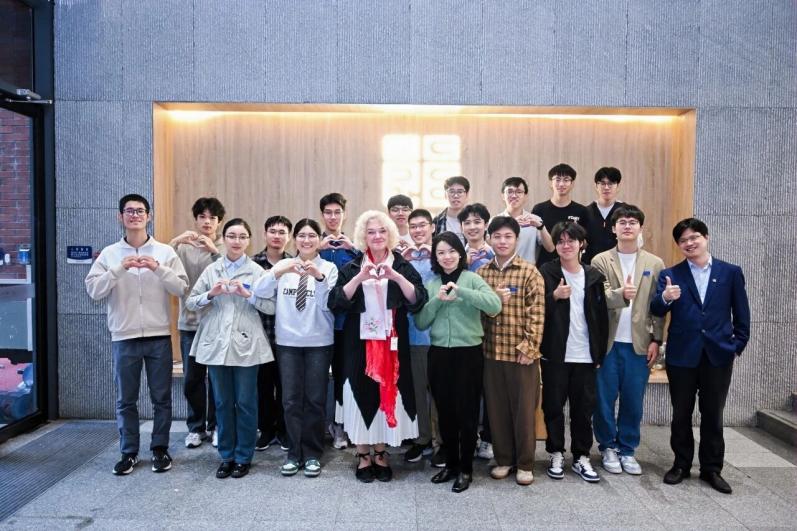
As the 200th session of the “Instruction to CKCers’ Future Career” series, this exchange held exceptional significance. It not only allowed students and teachers to immerse in the academic charm of a world-leading scientist up close, but gained them insights into the scientific frontiers and international academic culture, encouraging them to devote in scientific exploration with broad horizons and firm dreams.
Conclusion
This series of academic activities used science as a bridge, bringing together diverse disciplinary backgrounds and different cultural perspectives—from in-depth discussions in NanHua Garden, to inspiring lectures in the Grand Auditorium, and finally to the heartfelt dialogue at the “Instructions to CKCers Future Career” forum. With genuine scholarly passion and relentless exploratory spirit, professor Eva demonstrated the responsibility and aspirations of a scientist, leaving a profound academic inspiration for CKCers.